
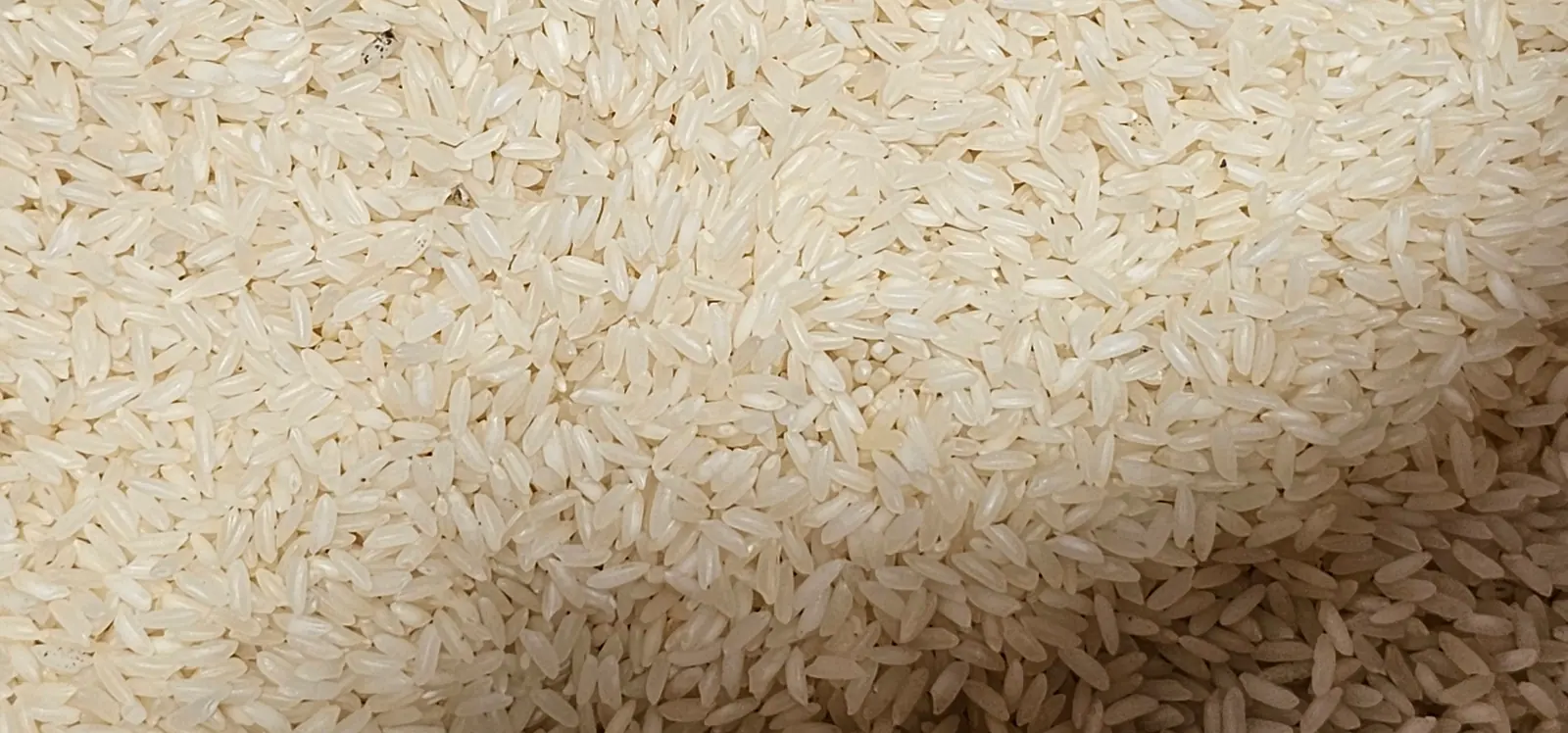
If you are importing Indian rice into the UAE for the first time, the mechanics are more predictable than most first-time buyers expect. What catches people out is rarely the shipping — it is a label that does not match the destination requirement, or a certificate that arrives after the vessel.
This is the sequence we walk new buyers through. Requirements change; treat this as a working map and confirm the current position with your clearing agent and the relevant UAE authority before you contract.
1. Get your side registered first
Before a food consignment can clear, the importing entity generally needs to be set up as a food importer with the relevant emirate-level authority — in Dubai that means a registered food trade licence and access to the food import system used for clearance. Product registration is separate from company registration, and retail-labelled product usually needs its label assessed before the cargo lands.
Do this before you place the order, not while the container is on the water. It is the single most common cause of demurrage on a first shipment.
2. Agree the specification in writing
A rice contract is a specification, not a product name. "Sona Masoori" alone is not a contract. At minimum, agree:
- variety and crop year
- broken percentage, moisture percentage, admixture percentage
- milling and polish, and whether the lot is sortex cleaned
- packing: size, material, print, and whether it is your label or ours
- Incoterm and destination port
Everything on that list is inspected against at loading. If it is not written down, it is not a claim you can make later.
3. Confirm labelling before printing
UAE retail packs are where most first-time programmes lose time. Expect to need Arabic alongside English, the importer's name and address, net weight, country of origin, production and expiry dating, and an ingredient or nutrition declaration in the required format. Barcodes and any halal or organic claim have their own requirements.
Approve a printed proof — not a screen render — before the print run. Reprinting 40,000 bags because the importer address was missing is an expensive lesson.
4. The document set
For a rice consignment from India to the UAE, the documents that typically travel with the cargo are:
| Document | Who issues it | What it does |
|---|---|---|
| Commercial Invoice | Exporter | The commercial record of the sale |
| Packing List | Exporter | Bags, weights, marks, container and seal numbers |
| Bill of Lading | Shipping line | Contract of carriage and title |
| Certificate of Origin | Chamber of commerce / issuing authority | Certifies Indian origin |
| Phytosanitary Certificate | Plant Quarantine, Government of India | Plant-health clearance for the grain |
| Fumigation Certificate | Approved agency | Records treatment, where required |
| Health / Free Sale Certificate | As required by the destination | Confirms fitness for human consumption |
| Insurance Certificate | Insurer | On CIF terms |
Your L/C, if you are using one, dictates the exact set and the wording. Mismatched wording between the L/C and the documents is the second most common delay after labelling.
5. Duty and clearance
Duty treatment for staple foods in the GCC has historically been favourable, and rice in particular is treated differently from processed food in several member states. Rates and exemptions do change, and classification matters: the HS code you declare determines the treatment.
Do not budget from a number you read in a blog — including this one. Give your customs broker the exact HS code and product description you will declare and get the current rate in writing before you price your landing cost.
6. Plan the timeline backwards
A realistic first-shipment timeline from confirmed contract to arrival, assuming your registrations are already in place:
- Sample approval — allow a week for courier and evaluation
- Contract and payment instrument — L/C opening takes as long as your bank takes
- Procurement, packing and lot coding
- Container inspection, supervised stuffing, sealing
- Customs clearance and sailing
- Transit from an Indian west-coast port to the UAE is short; documentation, not distance, sets the pace
The buyers who have the smoothest first shipment are the ones who finish steps 1 and 3 of this article before they ask for a price.
What we do on our side
We prepare the document set against your L/C terms, arrange phytosanitary and fumigation certification where the destination requires it, produce the pack to an approved proof, and supervise stuffing with a tally and photographs. If you tell us the destination and channel, we will tell you what your side needs to have ready before the cargo moves.